
Power Your Performance: Nutrition for Active Men
A balanced diet is the foundation of peak athletic performance. At Nutritiongainmale, we provide evidence-based nutrition guidance tailored to active men in Indonesia who demand more from their bodies and minds.
Discover how strategic meal planning, protein optimization, and micronutrient balance can amplify your training results, accelerate recovery, and sustain long-term health.
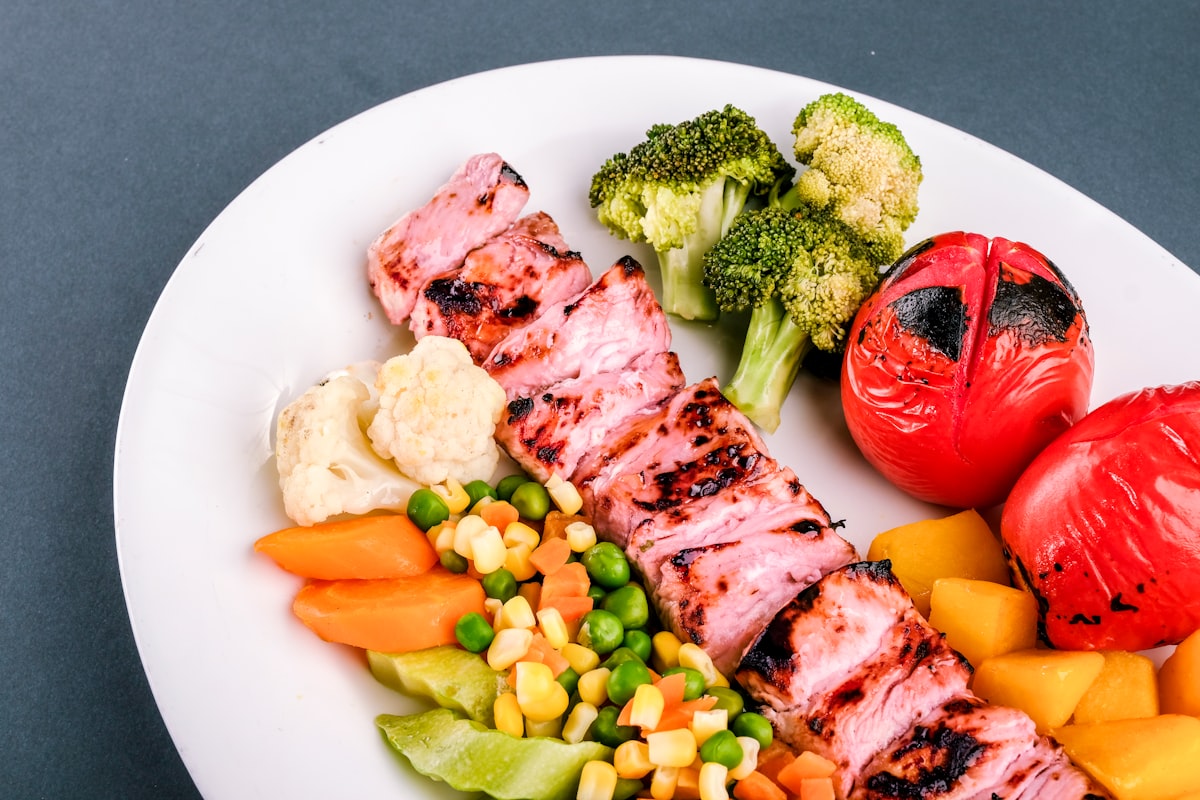
The information on this site is for educational purposes only and does not constitute medical advice. Always consult a qualified healthcare professional before making health decisions.
Key Pillars of Balanced Eating
Optimal Protein Intake
Active men require 1.6–2.2 grams of protein per kilogram of body weight daily. Strategic distribution across meals supports muscle repair, growth, and metabolic efficiency. Learn how to source quality proteins and time them with your training.
Strategic Carbohydrates
Carbs fuel high-intensity training and replenish muscle glycogen. Quality sources—whole grains, legumes, fruits—deliver sustained energy and essential micronutrients. Timing carbohydrate intake around workouts maximizes performance and recovery.
Micronutrient Balance
Iron, zinc, magnesium, and B-vitamins regulate energy production, immune function, and muscle adaptation. A varied, whole-food approach ensures you cover your nutritional bases without unnecessary supplementation.

Why Active Men Need Strategic Nutrition
Training stress triggers adaptation—but only if nutrition supports it. Without adequate calories, protein, and micronutrients, intense workouts lead to fatigue, plateau, and injury. Strategic eating accelerates recovery and unlocks consistent progress.
Active men face unique demands: increased caloric burn, elevated micronutrient losses through sweat, and the need for precise nutrient timing around training windows. Our editorial content guides you through personalized meal planning, hydration strategies, and supplement essentials.
- Accelerated Recovery: Proper nutrition reduces soreness, inflammation, and adaptation time between sessions.
- Performance Gains: Optimized fuel and hydration translate to stronger lifts, faster runs, and sustained effort.
- Long-Term Health: Balanced eating supports cardiovascular health, bone density, and metabolic resilience.
Meal Inspiration Gallery

High-Protein Breakfast
Start your day with 30–40g protein through eggs, Greek yogurt, or lean meat. Add complex carbs and antioxidant fruits for sustained energy and recovery support.
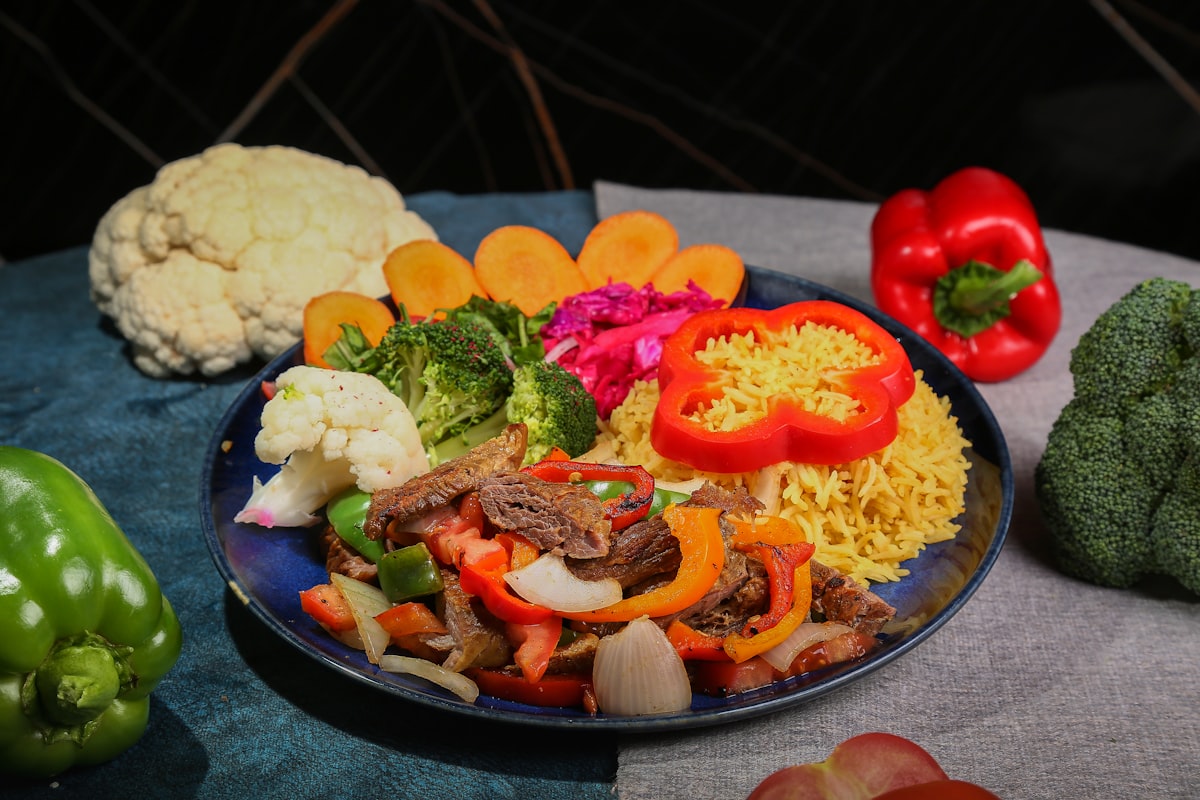
Post-Workout Refuel
Within 90 minutes of training, consume 20–40g protein and 40–80g fast-digesting carbs. Grilled lean protein with starchy vegetables replenishes glycogen and initiates repair.
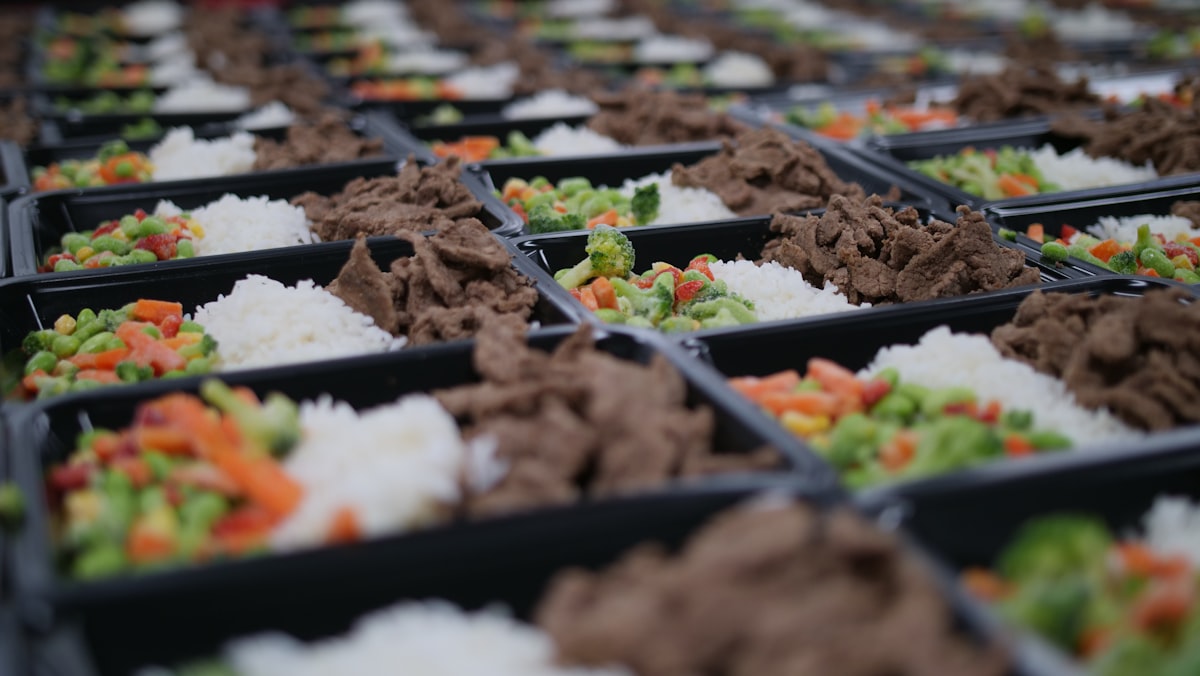
Micronutrient-Dense Dinner
Fatty fish like salmon provides omega-3s and vitamin D. Pair with whole grains and colorful vegetables to cover iron, magnesium, and antioxidant needs.
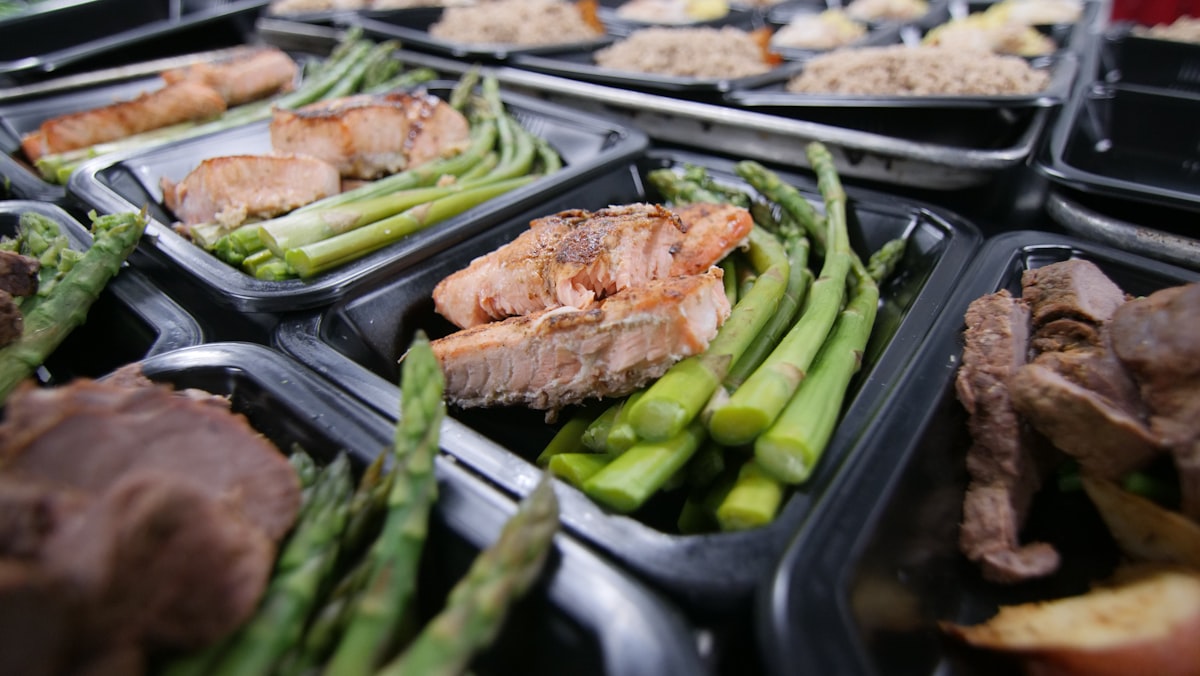
Quick Protein Shake
Whey protein, liquid carbs, and micronutrient-rich additions deliver 30–50g protein in seconds. Ideal for on-the-go athletes managing high training frequency.

Balanced Snacking
Nuts, seeds, and dried fruit combine healthy fats, protein, and quick carbs. Pre-workout or mid-afternoon snacks sustain energy and prevent overeating at main meals.
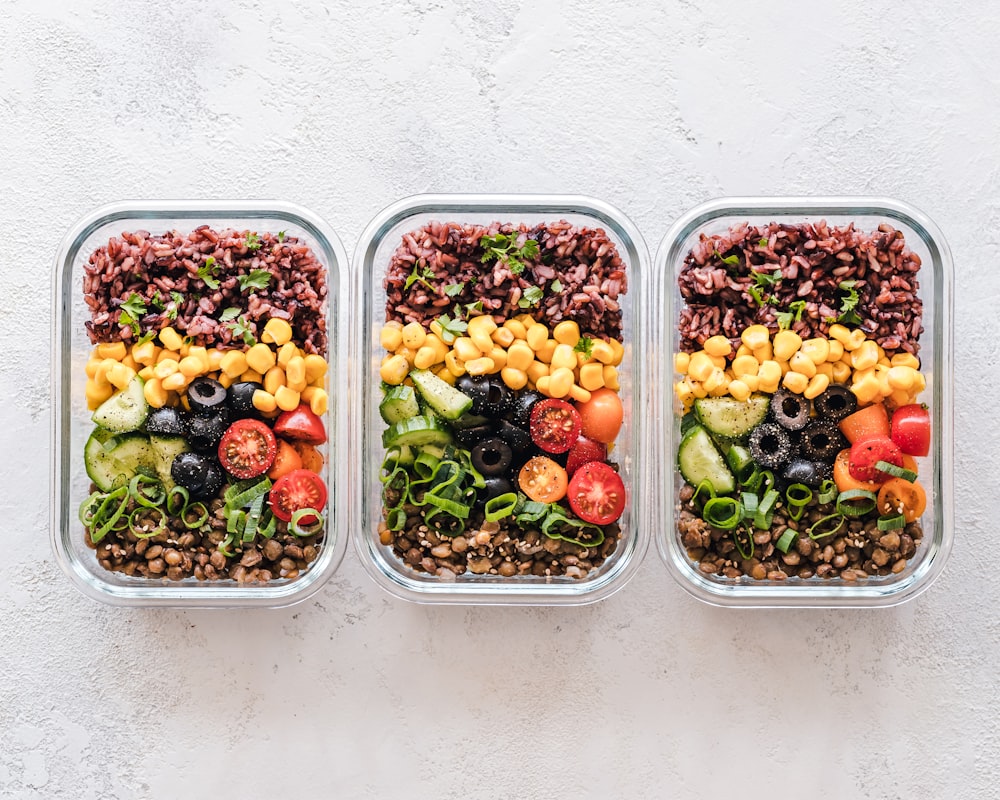
Smart Hydration
Active men lose 1–2 liters per hour during intense training. Water is primary; electrolytes (sodium, potassium) matter for efforts exceeding 90 minutes.
Your 4-Week Balanced Diet Journey
Week 1: Assessment
Track current intake without judgment. Record all meals, water, and workouts. Calculate baseline calories and macros. Identify gaps and patterns that hinder performance.
Week 2: Foundation
Establish meal structure: breakfast, lunch, dinner, 1–2 snacks. Set protein targets (1.6–2.2g/kg). Introduce whole-food staples. Dial in portion sizes based on training intensity.
Week 3: Optimization
Time carbs and protein around training windows. Fine-tune hydration protocols. Add targeted micronutrients (iron, zinc, magnesium). Monitor energy, recovery, and performance metrics.
Week 4: Sustainability
Solidify habits. Plan weekly meals ahead. Build flexibility within structure. Document progress and adjust variables. Create a personalized long-term protocol.
Success Stories from Real Athletes
The meal structure and protein timing advice transformed my recovery. Within three weeks, I noticed sharper strength gains and reduced fatigue between sessions. For the first time, nutrition felt like an ally, not a chore. I now meal-prep with confidence and see consistent progress in my lifts.
Budi Santoso
Jakarta
I was spinning my wheels with high training volume but minimal gains. The Nutritiongainmale guides clarified how carb timing and micronutrient gaps were limiting my adaptation. After adjusting my intake, my endurance doubled and body composition improved. Absolutely eye-opening.
Rinto Wijaya
Surabaya
As a busy professional training five days a week, I needed simple, science-backed strategies. The hydration and pre-workout fueling protocols fit seamlessly into my schedule. My energy levels are stable, my lifts are stronger, and I actually enjoy meal prep now. Highly recommend.
Adi Hermawan
Bandung
Common Questions About Active Nutrition
Research supports 1.6–2.2 grams of protein per kilogram of body weight daily for strength-trained athletes. A 80kg man requires 128–176g protein daily, distributed across 3–4 meals (roughly 30–50g per meal) to maximize muscle protein synthesis. Individual needs vary by training frequency, intensity, and age.
Pre-workout: consume 1–4g carbs per kg body weight 1–4 hours before training, depending on intensity and duration. Post-workout: ingest 0.8–1.2g carbs per kg within 30–60 minutes alongside protein to replenish glycogen and trigger recovery. Timing matters most for high-frequency training or competitive contexts.
Iron (oxygen transport and endurance), zinc (immune function and testosterone), magnesium (muscle contraction and energy), and B-vitamins (energy metabolism) are critical for active men. Vitamin D supports bone health and immune resilience. A varied whole-food approach—red meat, shellfish, nuts, seeds, greens, dairy—typically covers these needs without supplementation, though individual blood work may reveal gaps.
Monitor energy levels, training performance, recovery speed, and body weight trends over 2–4 weeks. Persistent fatigue, strength plateaus, or unintended weight loss signal undereating. Use your Basal Metabolic Rate as a starting point, add 500–1,000 calories for training, then adjust based on real-world results. Nutrition apps help track intake initially; intuitive eating develops with experience.
Whole foods should always be the foundation. Whey protein powder is convenient for meeting targets; creatine monohydrate has strong evidence for strength and power. Vitamin D, omega-3s, and electrolyte solutions may be warranted depending on diet quality, sun exposure, and training environment. Consult our articles for detailed breakdowns of evidence-based options and avoid hype-driven products.
Unlock Your Nutrition Potential
Join active men across Indonesia who are using evidence-based nutrition to amplify training results, accelerate recovery, and build lasting health. Explore our latest articles, guides, and strategies.
Questions or feedback? Contact our editorial team anytime.
Stay Updated with New Nutrition Insights
Get the latest articles on active nutrition delivered to your inbox.
We respect your privacy. No spam, only valuable content.